
Blog
Read our latest articles about web development, AI solutions, mobile apps, and technology.
All Articles
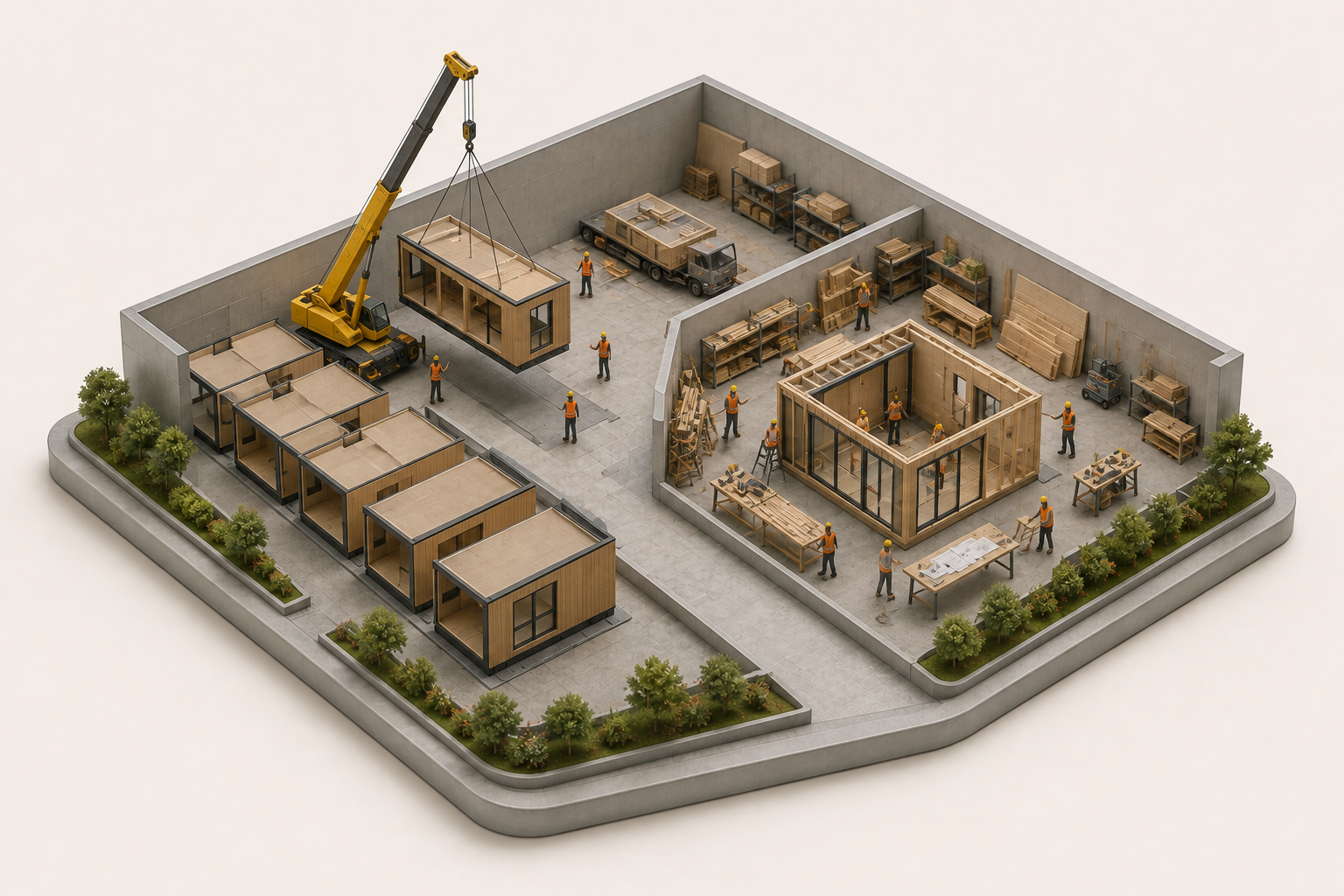
Buy or Build: When Off-the-Shelf SaaS Stops Being Cheaper Than Custom Software
The cost of an off-the-shelf tool grows with headcount; the cost of a custom system grows with change. Five questions that produce an answer rather than an opinion, the calculation with all three hidden items in it, and six signs telling you which way your case leans.
Electronic Delivery Notes by 1 October 2027: An Integration Plan for Companies with Warehouses and Fleets
Phase one started on 1 January 2026; full application in trade between private entities arrives on 1 October 2027. Companies that treat this as a form will end up with an extra job to pay for; companies that treat it as an integration will barely notice the switch. What has to be clean before you send the first one, and a plan counted backwards from the deadline.
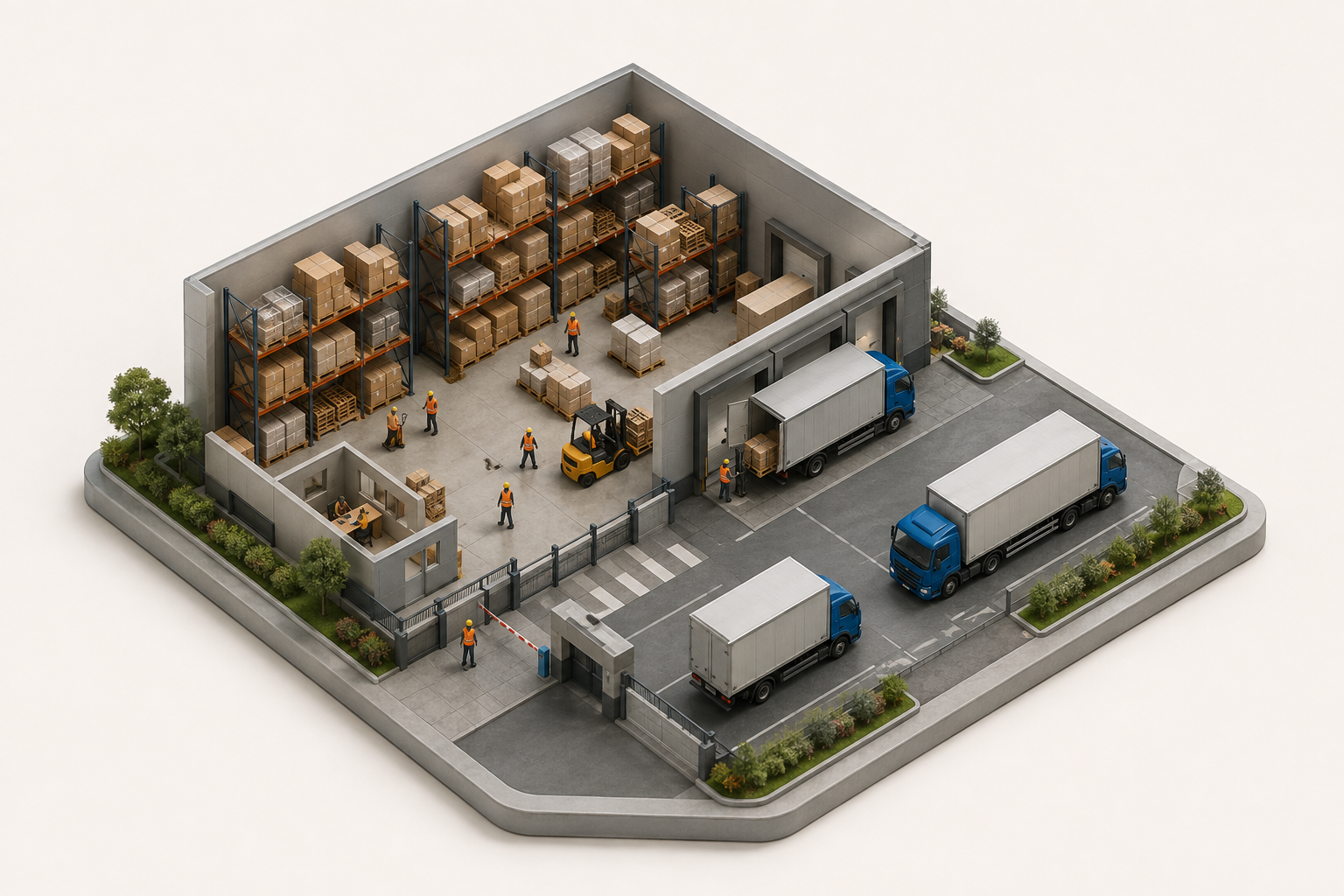
The Digital Product Passport: What Manufacturers Should Prepare Before the First Delegated Acts
Batteries from February 2027, steel at the end of 2026, textiles in 2027, furniture in 2028, plus at least eighteen months of transition. It sounds distant, but a product made in 2029 uses a batch that arrives much earlier, and traceability cannot be reconstructed backwards. A follow-up to our piece on the EU deforestation rules.
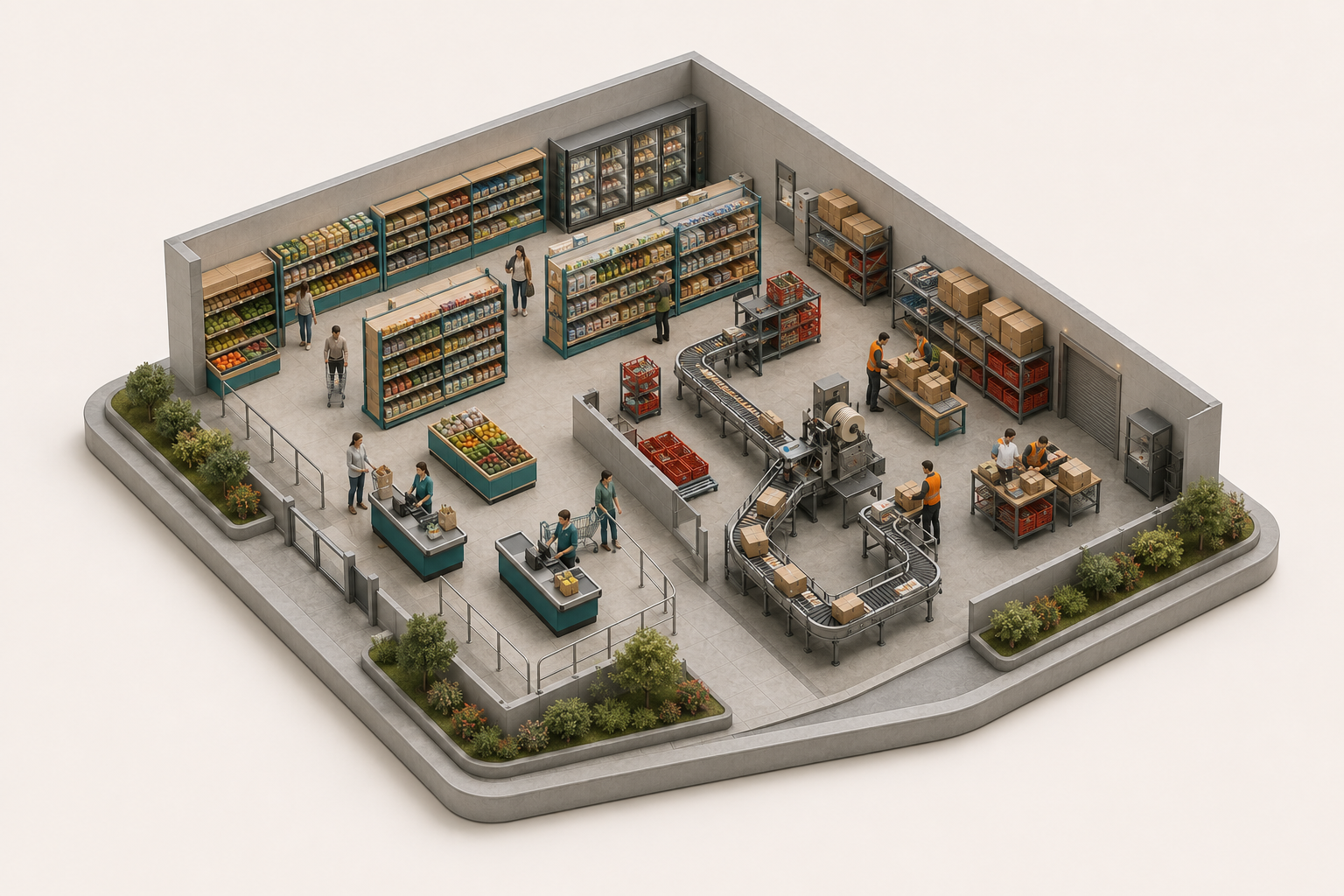
GS1 Sunrise 2027: 2D Barcodes at the Till and What They Change in Your Labels and Systems
By 31 December 2027 tills should be able to read a 2D barcode. The linear barcode is not going away, but the transition means dual marking - and, for manufacturers, far more than a change of label. A GTIN that has to be correct, a batch that has to come from production, and print that has to scan first time.

Project Margin Before Month-End: Getting Site Data to Finance Within 24 Hours
For most contractors the actual margin per project is known 45 to 60 days after the period it relates to, by which point the decisions have already been made blind. The data needed is collected every day, by law. The problem is that it ends up in a signed PDF, and a PDF does not add up. A practical guide: coding structure, the minimum field set captured on site, five numbers, and an implementation sequence.

ERP and MES in the Furniture Industry: Where Margin Hides When Volumes Stop Growing
European furniture makers have grown revenue on price, not volume - real output is still about 8% below 2018. With every order generating its own bill of materials and EUDR applying from 30 December 2026, margin and compliance now depend on the same thing: knowing where every part came from and where it is.

The No-Show Is Your Most Expensive Appointment: How to Measure It and What Actually Reduces It
An empty slot that was booked is worse than one nobody wanted, because you turned somebody else away for it. How to measure and break down the no-show rate, what the evidence says about reminders and deposits, and the single number that tells you how much a fix is worth.
MES Without Replacing Machines: Connecting Existing CNCs and Older Equipment into One Data Flow
A real factory has a 2019 CNC next to a 1996 press, and neither is going anywhere. Three levels of connectivity, what each realistically delivers, a sequence that produces a usable report in two weeks, and the three mistakes that most often kill this kind of project.

Traceability in the Meat Industry: How Connected Software Turns Spreadsheet Chaos into Profit
Tighter regulations, thin margins, and customers demanding full transparency are putting the meat industry under growing pressure. Connected, purpose-built traceability software turns disconnected spreadsheets into real-time insight - less inventory waste, faster and cheaper recalls, and healthier margins.